
A Membrane Built for Business
TPO roofing is a top choice for commercial buildings because it handles sun, rain, and daily rooftop stress without constant repairs. AHSIR installs TPO with heat-welded seams, creating a watertight surface and reducing leak points.
If your roof has ponding water, split seams, or rising cooling costs, this system is designed to address them. You get dependable coverage with minimal disruption and a roof built to perform.
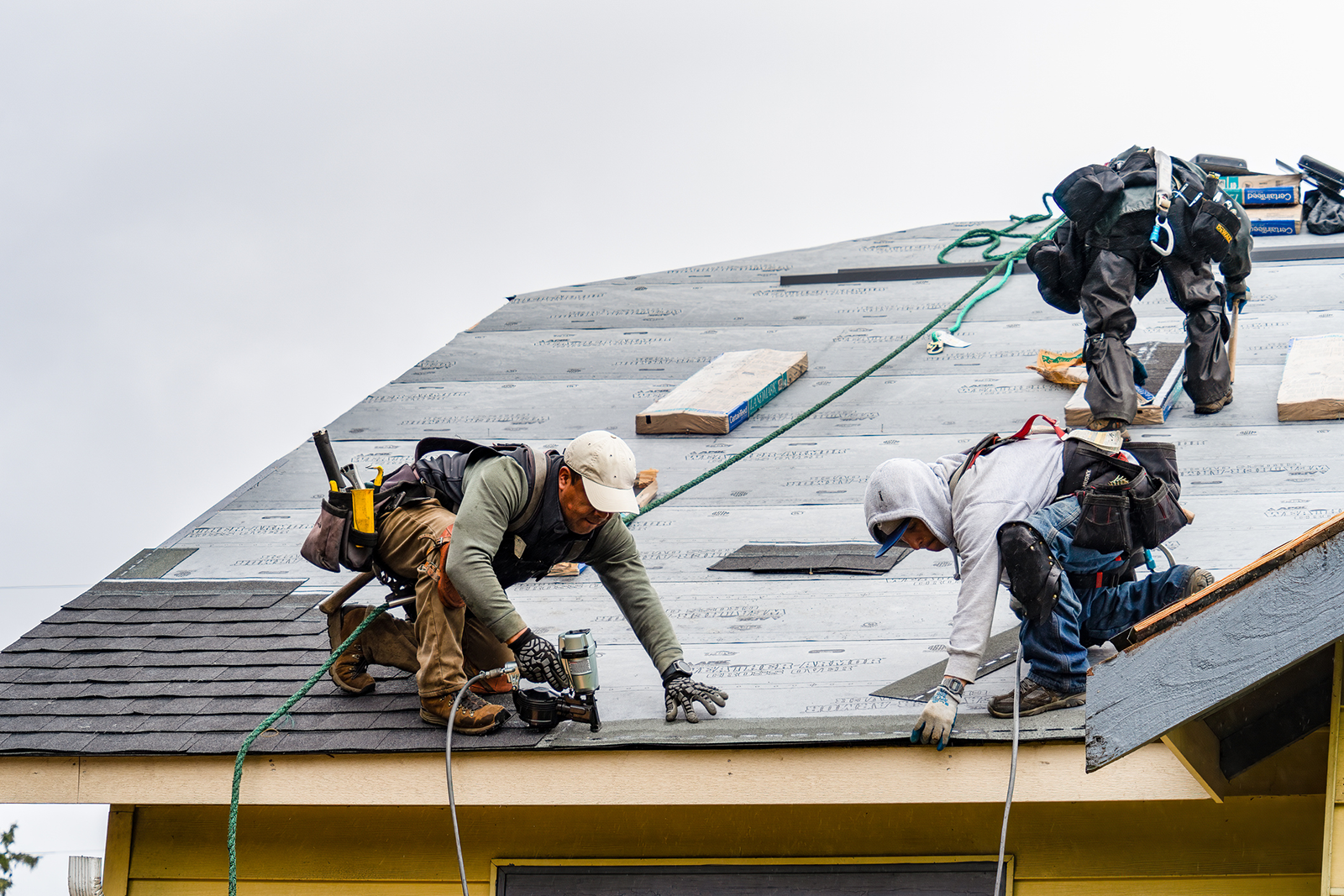

Lower Heat, Lower Strain!
Reflective membrane reduces rooftop temperatures and helps stabilize indoor comfort. AHSIR uses commercial-grade TPO roofing designed to reflect UV and limit heat absorption, which can ease HVAC load and reduce energy waste.
This matters for large roof areas where heat buildup turns into higher bills. With proper insulation and clean seam work, TPO can deliver strong protection while supporting long-term cost control for your building.
Our TPO Roofing Process
Commercial Roof Inspection
We start with a commercial roof inspection to review substrate condition, drainage, penetrations, and existing membrane issues. AHSIR builds a plan that fits your roof layout and usage.
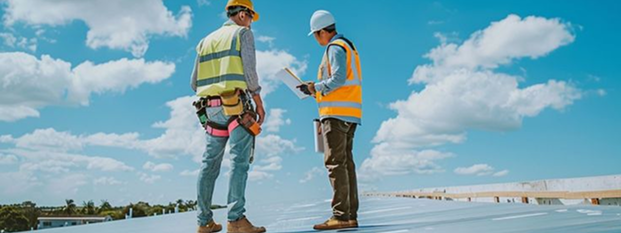
Surface Preparation
Surface preparation includes cleaning and removing loose materials so the TPO bonds correctly. This step improves adhesion and helps the roof system resist shifting and failure.

Insulation Setup
The insulation setup creates a stable base that supports efficiency and a smooth membrane installation. We install boards correctly to prevent gaps, soft spots, and uneven performance.

Membrane Installation
Membrane installation rolls out the TPO evenly across the roof surface. AHSIR aligns sheets carefully to control overlaps and support clean seam welding.
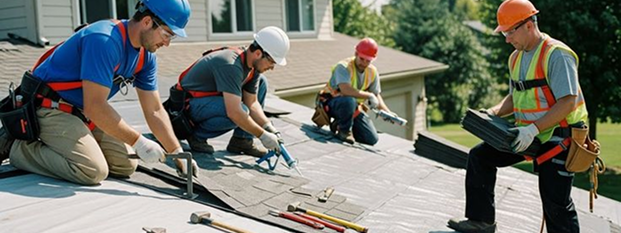
Heat Welded Seams
Heat-welded seams fuse sections into one continuous layer. This creates a watertight barrier that outperforms many glued systems in harsh weather and rooftop movement.

Final Quality Review
A final quality review checks seam integrity, edge details, flashing points, and cleanup. AHSIR confirms performance details so you know your roof is ready.
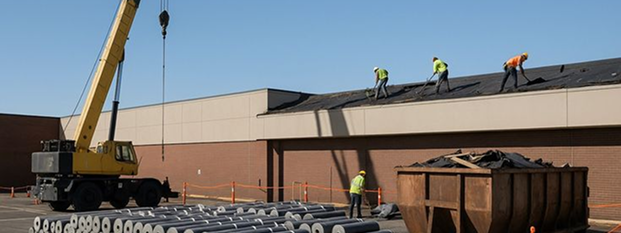
Strong Defense Against Leaks
Commercial leaks often start at seams, penetrations, and transitions around equipment. TPO roofing reduces those risks with welded seams and reinforced details. AHSIR strengthens vulnerable areas with proper flashing and termination techniques so water stays out and drainage performs as designed.
If you are tired of chasing leaks that keep returning, this system offers a clean, reliable path to long-term waterproofing.
Fast Installation, Less Downtime
Many building owners choose TPO roofing because installation is efficient and predictable. AHSIR plans work to keep your facility accessible and your operations moving. Because the system is lightweight and installed in large sheets, projects can move quickly while still meeting strict commercial standards. You get a stronger roof without extended tear-off disruption, loud mess, or unnecessary shutdowns.
A Roof that Stays Efficient
Energy efficiency is not just about material; it is about how the system is built. AHSIR installs TPO roofing with attention to insulation, seams, and edge details that impact real performance.
A well-built system reduces heat gain, supports HVAC efficiency, and helps protect the roof from premature aging. Over time, that means fewer repairs, steadier comfort, and better control over building operating costs.

AHSIR Commercial Work!
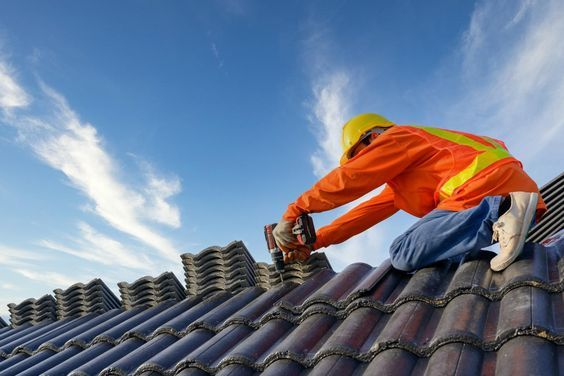
TPO roofing must be installed with skill to deliver its full value. AHSIR brings commercial experience in drainage planning, rooftop equipment detailing, and seam quality control. We communicate clearly, keep the site organized, and focus on the details that stop problems before they start. You get a dependable roofing partner and a membrane system built to handle real commercial demands.
Contact Us
Plan Your TPO
Tell AHSIR what is happening on your roof, leaks, heat issues, or aging membrane. Fill out the form, and we will schedule an inspection, explain your options, and guide you to the right commercial solution.
FAQs
Questions About TPO Roofing
Why is TPO preferred for large commercial roofs?
TPO is preferred because it reflects heat, welds into a single membrane, and performs well on large flat roofs with consistent exposure. It balances energy efficiency and durability.
What causes TPO seams to fail?
Seam failure usually happens due to poor welding, contamination during installation, or an aging membrane. Correct heat welding and inspection prevent this issue.
Is white TPO always better for energy savings?
White TPO performs best at reflecting heat, but insulation quality matters just as much. AHSIR evaluates both to ensure real energy benefit, not surface-level improvement.
How does TPO handle rooftop equipment and foot traffic?
TPO can handle rooftop traffic when walk pads and reinforced details are installed correctly. Unprotected traffic areas are a common cause of premature wear.
Can TPO be installed over an existing roof?
In some cases, yes. It depends on roof condition, code requirements, and moisture presence. AHSIR determines feasibility during inspection.
What thickness of TPO membrane should a commercial building use?
Thicker membranes generally last longer and resist punctures better. The right thickness depends on building use, traffic levels, and exposure.